Behind every destination, a Luxso story.

Discover Our Hospitality Insights...

Sustainability isn't an expense; it's a profit driver. Solar water heating in Bali pays for itself in 3–4 years. Water management cuts utility bills, and eco-certified properties command 10–15% ADR premiums. The operators winning in Bali's market aren't choosing between luxury and sustainability, they're using eco-practices to cut costs, increase revenue, and future-proof their assets. Read how to turn sustainability into profitability.
Three decades in Bali hospitality have taught us that the market rewards authenticity. Eco-resorts in Bali are achieving 10–15% rate premiums, longer average stays (4–5 nights vs. 3 days), and higher repeat booking rates. This isn't about being trendy, it's about operational efficiency, guest loyalty, and future-proofing your asset.
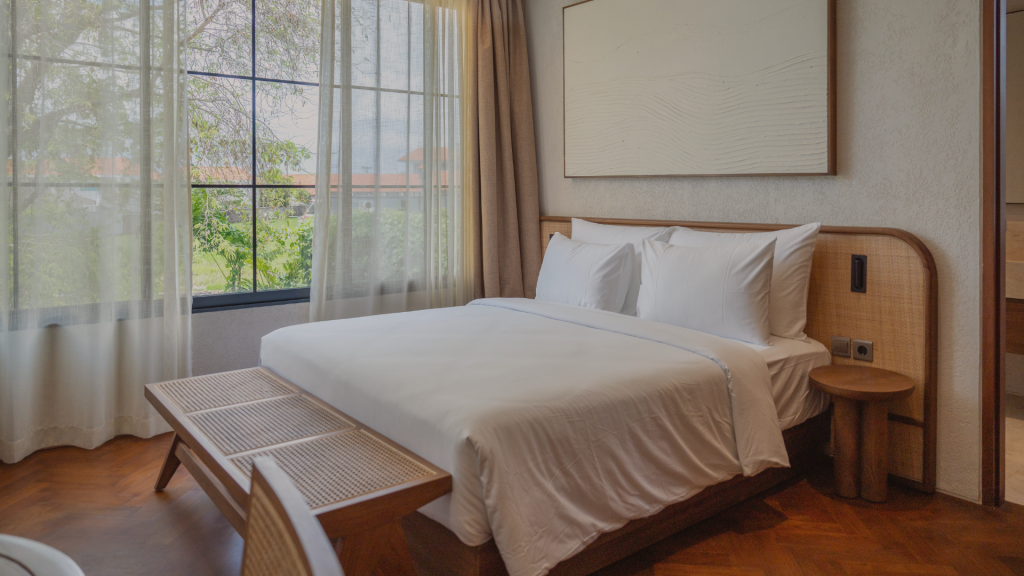
Bali’s guests no longer remember the pool, the breakfast, or the décor. They remember how you made them feel. And the difference between a good stay and an unforgettable one comes down to personalised service. We’ve spent over a decade leading some of Bali’s top private villas and lifestyle resorts, long before “guest experience” became a buzzword. Today, it’s no longer optional, it’s the standard. Here’s how to evolve your guest experience strategy for 2025 and beyond:
After years of managing properties across Bali, we've seen too many hotels and villas hand over 15–25% in commissions to OTAs while overlooking one of the highest-ROI marketing channels: email. At Luxso, we believe the key to sustainable growth lies in shifting guests from OTA dependency to direct relationships. In this article, we share our proven email strategies that turn storytelling into bookings. It’s not about sending more emails, it’s about sending smarter ones.
As an experienced hospitality leader in the Indonesian market, we managed many independent resort and villa openings across Bali and Lombok, all competing with global luxury hotel chains. The essential question we hear from developers is: “How do we compete, and how do we ensure a compelling Return on Investment (ROI)?”
For many villa and resort developers, the natural question is: How can a smaller or independent property compete against billion-dollar chains with endless resources?
In Bali’s fast-growing resort market, the way a property is managed will make or break its long-term performance.
Bali remains one of the world’s most competitive resort markets. With strong development pipelines and discerning international guests, the decision of who manages your resort can make or break your returns and your long-term brand value.
In Bali’s vibrant and competitive hospitality market, luxury villas and boutique resorts face a unique challenge — standing out amidst an ever-growing number of properties while maintaining both high occupancy and strong room rates.
As someone who has dedicated decades to the Bali and wider hospitality industry, I have witnessed the island’s remarkable evolution from a backpacker haven to a world-renowned luxury destination.
Bali's hospitality and villa rental market continues to evolve rapidly—shaped by shifting travel behaviours, increased competition, and growing investor interest.
In today’s evolving hospitality landscape, owners and developers of luxury resorts in Bali are discovering the advantages of white label management